Histamine
What is Histamine?
Histamine is a biogenic amine that occurs naturally in many organisms. In the human body, it acts as a messenger substance and is involved in various physiological processes, including allergic reactions, blood pressure regulation, gastrointestinal function, and the sleep-wake cycle.
In addition to being produced by the body, histamine can also be ingested through food. In foods, histamine is primarily formed through the microbial breakdown of the amino acid histidine. Temperature plays a crucial role in this process: Improper storage or interruptions in the cold chain can promote the growth of certain histamine-producing bacteria, leading to increased histamine formation.
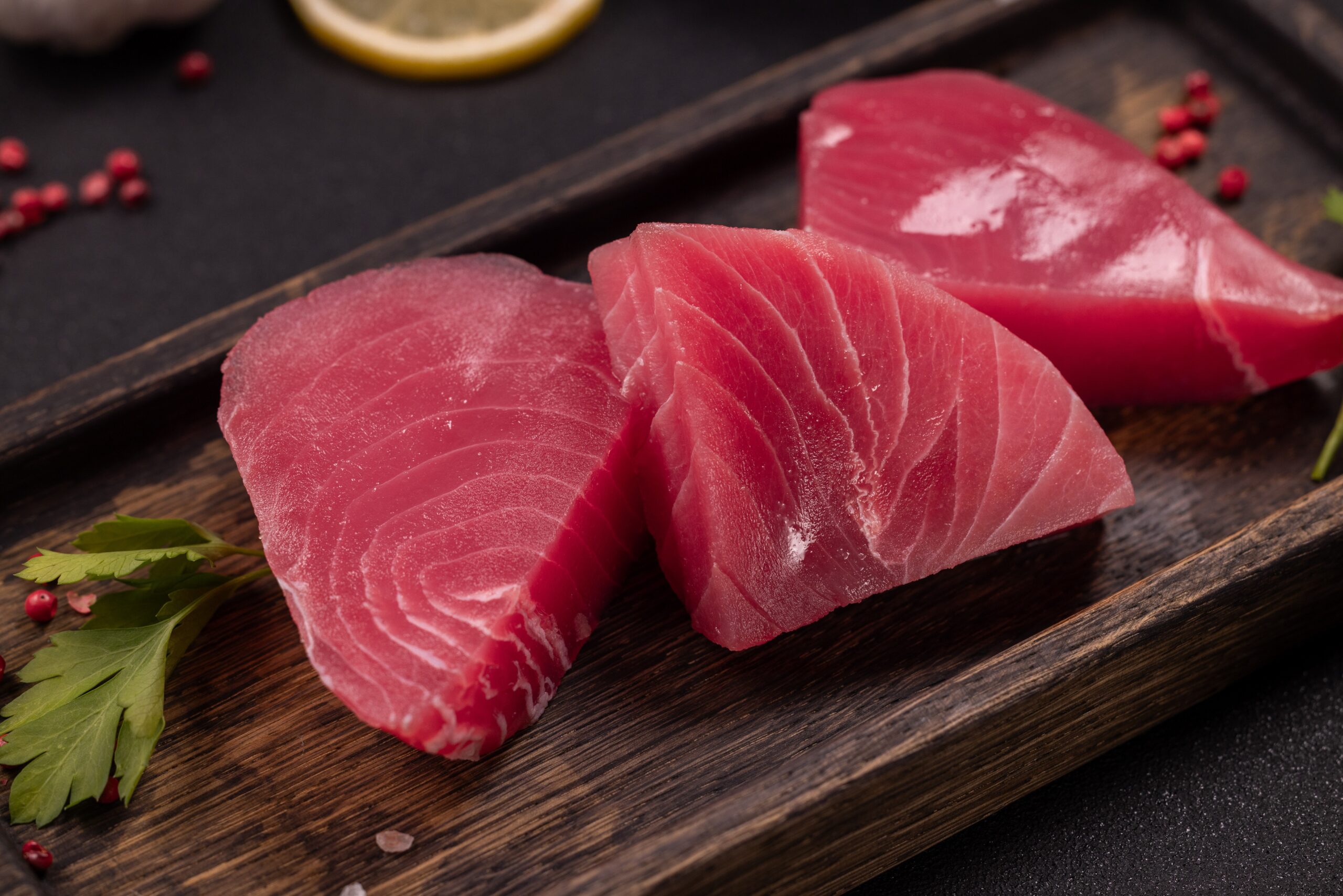
Once formed, however, histamine is largely heat-stable and cannot be removed by subsequent cooking, frying, or baking. This is particularly relevant for histidine-rich fish species such as tuna, herring, mackerel, and sardines. Proper storage and consistent maintenance of the cold chain are therefore essential to prevent excessive histamine formation.
Histamine Analysis at a Glance
•︎ Reliable determination of histamine in food and food raw materials
•︎ Precise quantitative analysis using modern LC-MS/MS technology
•︎ Low limit of quantification of 0.1 mg/kg
•︎ Reliable determination of high histamine concentrations through appropriate dilution steps
•︎ Support for quality control and compliance with legal requirements
•︎ Fish and fishery products (tuna, herring, mackerel, sardines)
•︎ Cheese (hard and semi-hard cheese)
Which Foods Contain Histamine?
Histamine can occur in a wide range of foods. Elevated concentrations are particularly common in products that undergo ripening, fermentation, or microbial transformation processes.
Foods that may contain histamine include:
-
Fish and fishery products, such as tuna, herring, mackerel, and sardines
-
Hard and semi-hard cheese
-
Fermented foods, such as sauerkraut
-
Sausages and processed meat products
-
Wine and other alcoholic beverages
For food manufacturers, importers, distributors, and quality assurance professionals, monitoring histamine levels is an important aspect of product safety and quality control.
Why Should Food Be Tested for Histamine?
Histamine can cause adverse health effects in sensitive individuals, even at relatively low concentrations. Testing is particularly important for fishery products, as histamine is considered an important indicator of freshness and proper storage conditions.
Histamine analysis also plays a significant role from a regulatory perspective. Regulation (EC) No 2073/2005 establishes legal histamine criteria for certain fishery products. Compliance with these requirements must be verified as part of internal quality control procedures and official market surveillance.
For other foods, such as cheese, processed meat products, sauerkraut, wine, and other fermented products, there are currently no harmonised EU maximum limits for histamine, even though these products may also contain relevant concentrations. In such cases, assessments are carried out individually, taking into account general food legislation and product safety requirements.
Regular histamine testing helps companies ensure product safety, monitor storage and transport conditions, and identify potential risks associated with interruptions in the cold chain at an early stage. At the same time, analytical testing supports regulatory compliance and provides evidence of product quality.
Histamine Analysis at GALAB
GALAB supports food manufacturers, importers, and distributors in the reliable determination of histamine in food and food raw materials.
Quantitative analysis is performed using modern LC-MS/MS (liquid chromatography coupled with tandem mass spectrometry). This analytical technique enables precise and reliable quantification of even low histamine concentrations.
Our established method is suitable for analysing fish and cheese and achieves a limit of quantification of 0.1 mg/kg.
Using modern analytical instrumentation, GALAB provides precise and reliable testing services to support quality assurance, product safety, and compliance with relevant regulatory requirements.
Interested in histamine testing?
Get in touch with our experts to discuss your testing needs and receive a tailored quote.


Parameters & Analytical Methods
-
State-of-the-Art Analysis
We constantly update our spectrum of parameters to the latest developments in the food analysis sector and offer state-of-the-art analytical methods for the safety of your products.
-
Comprehensive multi-methods
We are constantly expanding our range of services in order to be able to guarantee you a comprehensive range of analyses. We offer multi-methods for mycotoxins, dioxin analysis or molecular biological analysis for GMOs and allergens. The GALAB Pesticide500Plus® multi-method can even be used for difficult matrices such as spices and herbs.
-
Constant development
If you cannot find the parameter/analysis you are looking for here, please do not hesitate to contact us. Our research and development department implements your requirements and specifications cost-efficiently and with a high quality standard.
-
Quality Policy
GALAB Laboratories has implemented a quality management system to allow for optimum service for their customers. It is our goal to establish close relations to customers by customer satisfaction. Therefor quick reactions to customers’ specific needs as well as considerations for quality demands of the market are necessary. We strive to provide comprehensive and professional advice to our customers. Learn more
Get in touch, we will help you.