
Nitrite and Nitrate
What Are Nitrite and Nitrate?
Nitrate and nitrite are nitrogen compounds that occur naturally in food but can also be intentionally added during food production. Vegetables in particular can contain significant amounts of nitrate. Nitrites and nitrates are also used as food additives, including in the production of meat, fish and cheese products.
Nitrate (NO₃⁻) is a naturally occurring nitrogen compound and an essential nutrient for plants. Plants absorb nitrate from the soil through their roots, where it can accumulate in varying concentrations.
Nitrite (NO₂⁻) is closely related to nitrate. In the human body, some of the nitrate consumed is secreted back into the mouth through the salivary glands, where bacteria convert it into nitrite. Under certain conditions, nitrate can also be converted into nitrite in food.
In addition to occurring naturally, nitrites and nitrates are intentionally used as food additives. The sodium and potassium salts of nitrite and nitrate are authorised in the European Union as food additives E 249 to E 252. They are primarily used in meat products, where they help inhibit the growth of harmful microorganisms. Of particular importance is their ability to protect against Clostridium botulinum, the bacterium responsible for botulism.
Nitrites and nitrates also contribute to the development and stability of the characteristic red colour of cured meat and influence its flavour. Nitrates are additionally used in certain types of cheese.
Nitrite and Nitrate Analysis at a Glance
•︎ Reliable analysis of nitrite and nitrate in food and raw materials
•︎ Quantitative determination for effective quality control
•︎ Evaluation of results in accordance with applicable legal requirements
•︎ Matrix-specific methods for tailored analytical solutions
•︎ Leafy vegetables (spinach, lettuce, rocket, etc.)
•︎ Zucchini
•︎ Meat and processed meat products
•︎ Fish and cheese products
Which Foods Are Particularly Affected?
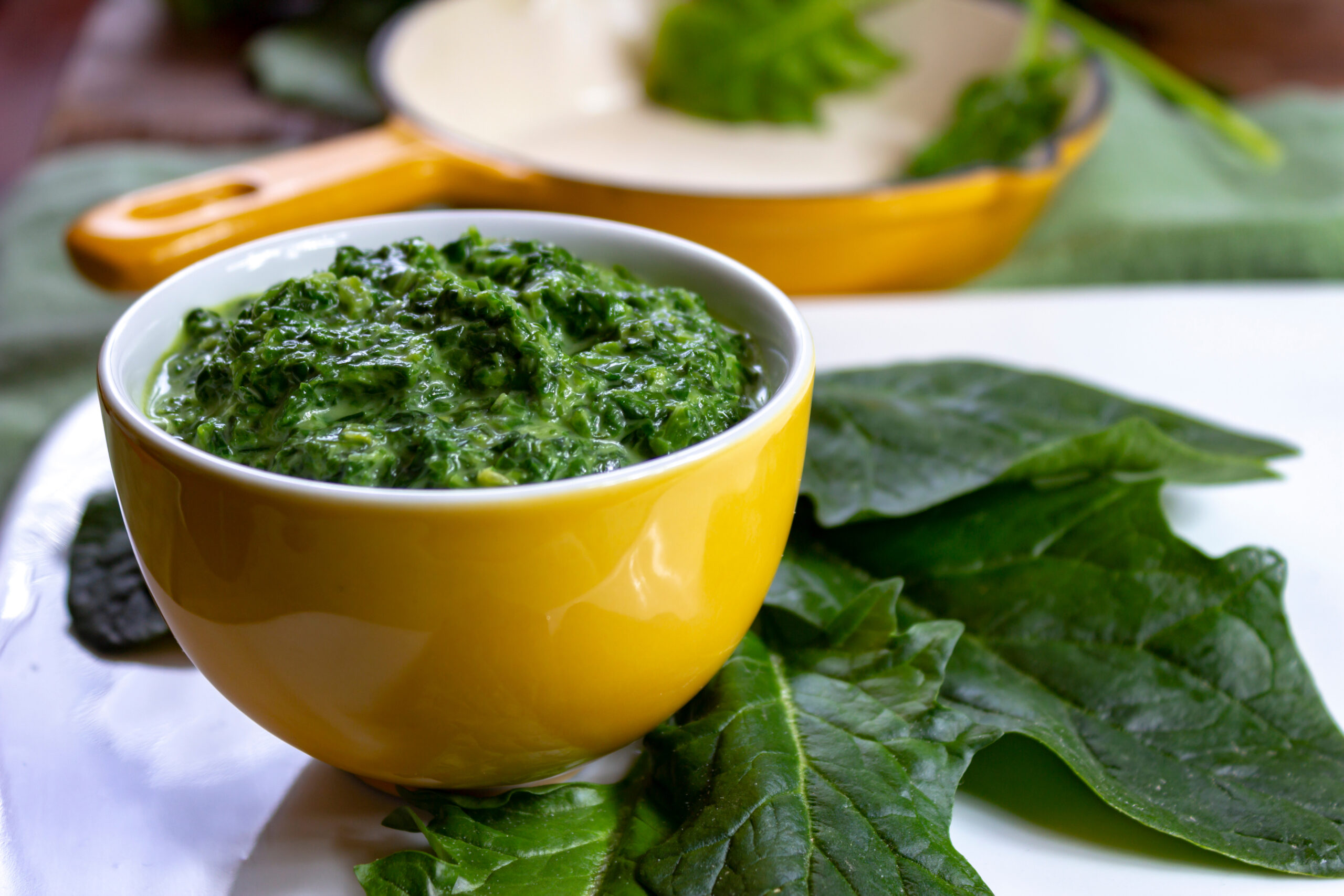
Plant-based foods are an important source of naturally occurring dietary nitrate. Concentrations can vary considerably depending on the product and growing conditions. Particularly high nitrate levels can occur in leafy vegetables such as spinach, lettuce and rocket, as well as in zucchini.
The nitrate content of plants depends on several factors. In addition to the plant species, growing conditions, fertilisation, harvesting time and exposure to sunlight can all influence nitrate concentrations.
Nitrite and nitrate are also relevant in foods where they are intentionally used as additives. These include certain meat and processed meat products, as well as fish and cheese products.
Monitoring is particularly important for foods intended for infants and young children. Due to their lower body weight and greater sensitivity to nitrite, special attention must be paid to the exposure of this consumer group.
Why Should Nitrite and Nitrate Be Analysed?
The health assessment of nitrate is closely linked to its potential conversion into nitrite. Nitrite can oxidise haemoglobin to methaemoglobin. Elevated methaemoglobin levels reduce the ability of red blood cells to transport oxygen throughout the body. This poses a particular risk to infants and young children.
Furthermore, nitrite can contribute to the formation of certain nitrosamine compounds, some of which have carcinogenic properties. In its risk assessment, the European Food Safety Authority (EFSA) therefore considers both direct nitrite intake and the conversion of nitrate, as well as the potential formation of associated reaction products.
EFSA has established an Acceptable Daily Intake (ADI) of 3.7 mg per kilogram of body weight per day for nitrate and 0.07 mg per kilogram of body weight per day for nitrite. The ADI represents the amount of a substance that can be consumed daily over a lifetime without posing an appreciable health risk.
It is to note that these standard ADI values for nitrate and nitrite do not apply to infants under three months of age. Nitrite should not be used as a food additive in products intended for this consumer group.
For the food industry, nitrite and nitrate testing is also important from a regulatory perspective. The European Union has established maximum nitrate levels for certain foods. Analytical testing enables manufacturers and retailers to determine the actual concentrations in their products and verify compliance with the applicable requirements.
Nitrite and Nitrate Analysis at GALAB
Reliable determination of nitrite and nitrate is an important part of quality control for a wide range of foods and raw materials. Both naturally occurring concentrations and the intentional use of these substances as food additives may be relevant.
GALAB supports food manufacturers and retailers in the analytical testing of their products. Quantitative determination of nitrite and nitrate allows their concentrations to be measured and subsequently evaluated, taking into account the relevant product category and applicable legal requirements.
This provides companies with a reliable basis for assessing their raw materials and finished products while enabling them to identify potential deviations at an early stage.
We select our analytical methods according to the specific sample matrix to provide you with a tailored analytical service.
Do You Need Support with Nitrite and Nitrate Testing?
Would you like to have your food products or raw materials tested for nitrite and nitrate? GALAB supports you with reliable analytical services and many years of experience in food testing.
This might also interest you

Parameters & Analytical Methods
-
State-of-the-Art Analysis
We constantly update our spectrum of parameters to the latest developments in the food analysis sector and offer state-of-the-art analytical methods for the safety of your products.
-
Comprehensive multi-methods
We are constantly expanding our range of services in order to be able to guarantee you a comprehensive range of analyses. We offer multi-methods for mycotoxins, dioxin analysis or molecular biological analysis for GMOs and allergens. The GALAB Pesticide500Plus® multi-method can even be used for difficult matrices such as spices and herbs.
-
Constant development
If you cannot find the parameter/analysis you are looking for here, please do not hesitate to contact us. Our research and development department implements your requirements and specifications cost-efficiently and with a high quality standard.
-
Quality Policy
GALAB Laboratories has implemented a quality management system to allow for optimum service for their customers. It is our goal to establish close relations to customers by customer satisfaction. Therefor quick reactions to customers’ specific needs as well as considerations for quality demands of the market are necessary. We strive to provide comprehensive and professional advice to our customers. Learn more
Get in touch, we will help you.