EU–Mercosur Trade Agreement and France’s Zero-Tolerance Policy: Implications for Market Access

A New Trade Framework between the EU and Mercosur
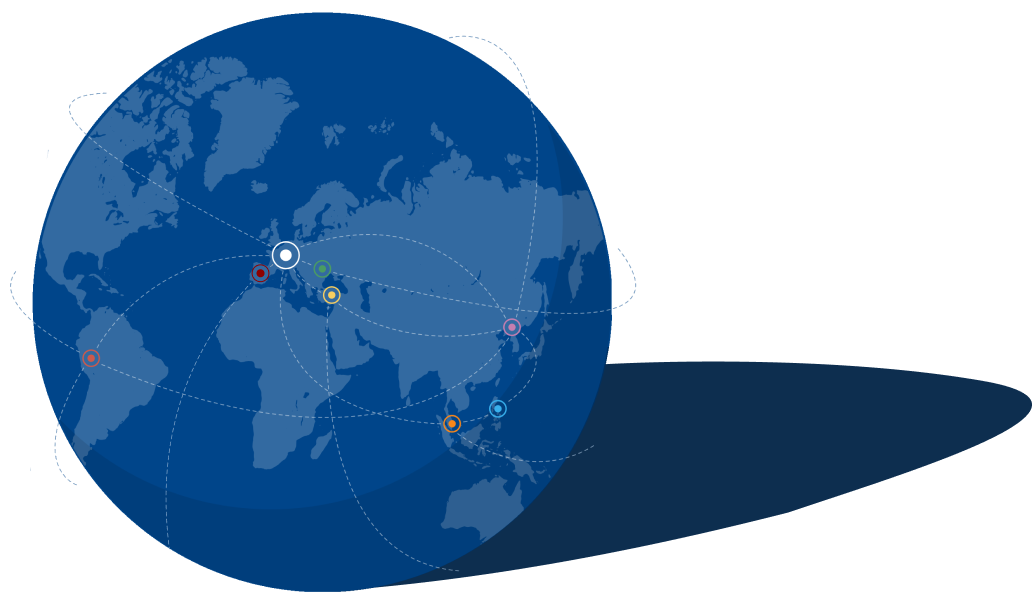
On 17 January 2026, the European Union and Mercosur signed the EU–Mercosur Partnership Agreement. If ratified, it will establish one of the largest trade areas globally, covering approximately 700 million consumers.
Mercosur, founded in 1991, comprises Argentina, Bolivia, Brazil, Paraguay and Uruguay. The bloc was created to strengthen regional economic integration and facilitate trade among its member states. The new agreement extends this framework to the European Union.
Reduced tariffs and improved market access are expected to increase trade volumes, particularly in the agricultural and food sectors. For businesses operating across these markets, the agreement opens new opportunities.
At the same time, regulatory conditions within the EU remain stringent and, in certain areas, increasingly strict.
France Introduces an LOQ-Based Compliance Threshold
In early January 2026, France introduced a national measure restricting imports of certain foods from third countries where they contain quantifiable residues of plant protection substances no longer authorised in the European Union.
Under EU law, pesticide residues are generally assessed against Maximum Residue Levels. MRLs are based on toxicological risk assessments and dietary exposure calculations. They represent residue concentrations considered acceptable from a public health perspective.
France applies a different threshold for selected substances. Instead of relying solely on the MRL, the regulation uses the Limit of Quantification as the decisive compliance level.
The LOQ is an analytical parameter. It defines the lowest concentration that can be reliably quantified using validated laboratory methods. It is not derived from toxicological safety margins but from methodological capability.
As a result, a product may comply with EU MRL requirements and nevertheless be considered non-compliant in France if a residue exceeds the applicable LOQ. In practical terms, this establishes a zero-tolerance standard at the level of quantifiable detection.
The rule applies to raw commodities and processed foods alike. Processing factors must be taken into account. It also applies where goods enter France via another Member State before being placed on the French market.
Within the context of expanding trade between the EU and South America, this regulatory distinction becomes particularly relevant. Substances no longer authorised within the EU may still be permitted elsewhere, creating differences in production standards that surface at the point of market access.
Substances of note concerning French markets
Mancozeb is a broad-spectrum fungicide historically used on fruit, vegetables and arable crops, including potatoes, onions, tomatoes, grapes and various orchard fruits. Within the European Union, the active substance no longer holds approval following its evaluation under Regulation (EC) No 1107/2009 (Commission Implementing Regulation (EU) 2020/2087). The review identified concerns including endocrine-disrupting properties and reproductive toxicity.
Mancozeb is chemically unstable and may degrade during storage or processing. One significant degradation product is ethylene thiourea (ETU), which has been associated in toxicological assessments with thyroid effects and potential reproductive risks.
Benomyl, Carbendazim and Thiophanate-methyl belong to the benzimidazole group of systemic fungicides and have been used on crops such as citrus fruits, bananas, apples, pears, stone fruits, strawberries and cereals. Their mode of action involves inhibition of fungal cell division through interaction with beta-tubulin. Benomyl and Thiophanate-methyl are metabolised to Carbendazim, which is therefore frequently detected as the residue of regulatory interest. These substances are no longer approved for use in the European Union following regulatory assessment of their toxicological profile.
Glufosinate has been used as a non-selective herbicide in orchard systems, as a desiccant in crops such as potatoes and as a selective herbicide in herbicide-tolerant maize systems, that acts through inhibition of glutamine synthetase. Glufosinate is currently not approved within the European Union after the risk assessment process identified concerns, including developmental toxicity observed in experimental studies.
How GALAB can help you with the new Mercosur Partnership Agreement
Where compliance is defined by quantifiable detection limits, laboratory capability becomes a determining factor.
Measurement at low concentration levels, differentiation of related compounds and targeted determination of relevant degradation products such as ethylene thiourea are central to a reliable compliance assessment.
GALAB provides validated multi-residue screening and substance-specific analyses aligned with applicable LOQ requirements. In addition to laboratory testing, we support clients in interpreting analytical findings in the context of national measures such as the French regulation.
In an environment where detection thresholds define marketability, analytical clarity contributes directly to secure access to regulated markets.
Sources
France bans food imports containing certain pesticides – Le Monde;
EU and Mercosur sign historic and ambitious partnership – European Commission,
Decree of January 5, 2026 suspending the import, introduction, and marketing, whether free of charge or for a fee, in France, of foodstuffs from countries outside the European Union containing residues of certain active plant protection substances prohibited for use in the European Union. – Légifrance; Jan 7, 2026; (French)


Parameters & Analytical Methods
-
State-of-the-Art Analysis
We constantly update our spectrum of parameters to the latest developments in the food analysis sector and offer state-of-the-art analytical methods for the safety of your products.
-
Comprehensive multi-methods
We are constantly expanding our range of services in order to be able to guarantee you a comprehensive range of analyses. We offer multi-methods for mycotoxins, dioxin analysis or molecular biological analysis for GMOs and allergens. The GALAB Pesticide500Plus® multi-method can even be used for difficult matrices such as spices and herbs.
-
Constant development
If you cannot find the parameter/analysis you are looking for here, please do not hesitate to contact us. Our research and development department implements your requirements and specifications cost-efficiently and with a high quality standard.
-
Quality Policy
GALAB Laboratories has implemented a quality management system to allow for optimum service for their customers. It is our goal to establish close relations to customers by customer satisfaction. Therefor quick reactions to customers’ specific needs as well as considerations for quality demands of the market are necessary. We strive to provide comprehensive and professional advice to our customers. Learn more
Get in touch, we will help you.